

Running an eCommerce business today is exciting—but let’s be honest, it’s also overwhelming.
From managing inventory and payments to marketing, customer support, and data analysis, there’s a lot happening behind the scenes. The good news? You don’t have to do everything manually.
That’s where eCommerce tools come in.
In this guide, we’ll break down:
- What eCommerce tools are
- How they help businesses grow
- 23 essential eCommerce tools every online store should consider
Whether you’re just starting out or looking to scale, this list will help you build a smarter, more efficient online business.
What Are eCommerce Tools?
eCommerce tools are software applications designed to help businesses run, manage, and grow their online stores.
- They handle tasks such as:
- Managing inventory
- Processing payments
- Tracking customer behavior
- Automating marketing
- Improving customer experience
In simple words, eCommerce tools save time, reduce errors, and help you sell more. Instead of guessing what customers want, these tools give you real data and automation to make better decisions.
How eCommerce Tools Drive Business Success
The right tools can completely change how your business performs.
Here’s how they help:
- Better customer experience: Faster checkout, personalized recommendations, and smooth navigation
- Smarter marketing: Data-driven campaigns instead of guesswork
- Efficient operations: Automated inventory, shipping, and order management
- Higher sales: Optimized pricing, product placement, and promotions
When used correctly, eCommerce tools don’t just support your business—they actively help it grow.
23 eCommerce Tools to Consider for Your Business
Let’s break down the most important tools by category.
1. Analytics and Reporting Tools
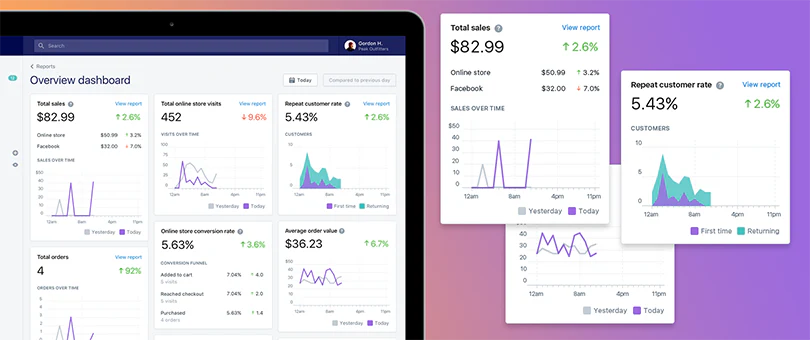
Analytics tools show you how customers interact with your website. You can track traffic, sales, conversion rates, and customer behavior.
Example: Google Analytics
It helps you understand:
- Where visitors come from
- Which pages convert best
- Where customers drop off
This data allows you to improve performance and increase revenue.
2. Heatmap Tools
Heatmap tools visually show where users click, scroll, and spend time on your website.
Example: Hotjar
With heatmaps, you can:
- See what attracts attention
- Fix ignored buttons or content
- Improve layout and conversions
This insight directly impacts sales growth.
3. Product Recommendation Engines
These tools suggest products based on customer behavior and preferences.
Example: Involve.me
Recommendation engines:
- Improve shopping experience
- Increase average order value
- Build customer satisfaction
Personalized suggestions lead to higher conversions.
4. A/B Testing Platforms
A/B testing tools help you compare two versions of a webpage to see which performs better.
Example: Optimizely
You can test:
- Headlines
- Buttons
- Page layouts
This helps you make data-backed decisions instead of assumptions.
5. Dynamic Pricing Software
Dynamic pricing tools adjust prices based on demand, competition, and customer behavior.
Example: Prisync
Benefits include:
- Competitive pricing
- Higher profit margins
- Real-time price optimization
Perfect for fast-moving eCommerce markets.
6. Visual Merchandising Platforms
These tools help you design visually appealing online stores.
Example: Magento
They allow you to:
- Improve product displays
- Optimize navigation
- Create smooth shopping journeys
A good visual experience directly impacts trust and sales.
7. Inventory Management Systems
Inventory tools help track stock levels, manage orders, and prevent overstock or shortages.
Example: QuickBooks Commerce
Key benefits:
- Real-time inventory tracking
- Automated stock updates
- Better order fulfillment
Essential for scaling businesses.
8. Social Proof Tools
Social proof builds trust by showing reviews, ratings, and testimonials.
Example: Trustpilot
When customers see positive reviews, they’re more likely to buy.
Trust = more conversions.
9. Email Marketing Automation
Email marketing tools help you send personalized messages automatically.
Example: Mailchimp
You can:
- Automate campaigns
- Segment audiences
- Track performance
Email remains one of the highest ROI channels in eCommerce.
10. Customer Feedback Tools
Feedback tools help you understand what customers like—and what needs improvement.
Example: SurveySensum
They allow you to:
- Collect feedback
- Analyze customer sentiment
- Improve products and services
Listening to customers is key to long-term success.
11. CRM Software
CRM tools help manage customer relationships and data.
Example: Salesforce
With CRM software, you can:
- Track interactions
- Manage leads
- Improve customer retention
It’s a must-have for growth-focused brands.
12. Chatbots
Chatbots provide instant customer support and guidance.
Example: ManyChat
They can:
- Answer common questions
- Guide purchases
- Collect customer data
Chatbots improve customer experience while reducing support costs.
13. Payment Gateways
Payment gateways ensure secure online transactions.
Example: Stripe
Stripe offers:
- Easy integration
- Multi-currency support
- Strong security
A smooth checkout experience reduces cart abandonment.
14. Shipping and Fulfillment Software
These tools automate shipping and tracking.
Example: ShipStation
Benefits include:
- Carrier rate comparison
- Label printing
- Real-time tracking
Fast and transparent shipping increases customer satisfaction.
15. Content Creation Tools
Content tools help create visuals and marketing materials.
Example: Canva
Canva makes it easy to design:
- Product images
- Social media posts
- Blog graphics
No design skills needed.
16. Lead Generation Tools
Lead generation tools help capture visitor information.
Example: OptinMonster
You can:
- Create pop-ups
- Capture emails
- Convert visitors into customers
Perfect for growing your email list.
17. Advertising Tools
Advertising tools help promote products and drive traffic.
Example: Google Ads
You can:
- Run search and shopping ads
- Target specific audiences
- Track performance
Paid ads help scale sales faster.
18. SEO Tools
SEO tools help improve your search engine rankings.
Example: SEMrush
They assist with:
- Keyword research
- Competitor analysis
- Backlink tracking
Organic traffic means long-term growth.
19. Social Media Scheduling Tools
These tools automate social media posting.
Example: Hootsuite
You can:
- Schedule posts
- Track engagement
- Manage multiple platforms
Consistency matters on social media.
20. Content Management Systems (CMS)
A CMS helps manage website content easily.
Example: WordPress
It allows you to:
- Publish blogs
- Update products
- Improve user experience
A strong CMS keeps your store flexible.
21. Loyalty Program Software
Loyalty tools reward repeat customers.
Example: Smile.io
Features include:
- Points system
- VIP tiers
- Referral rewards
Loyal customers spend more over time.
22. Personalization Tools
Personalization tools tailor content for each user.
Example: Nosto
They help:
- Deliver relevant product recommendations
- Customize messaging
- Improve conversion rates
Personalization makes customers feel valued.
23. AI Tools for eCommerce
AI tools automate tasks and improve efficiency.
Example: Grammarly
AI tools help with:
- Writing product descriptions
- Improving website copy
- Reducing errors
They enhance professionalism and customer trust.
Final Thoughts: Choose the Right eCommerce Tools
You don’t need all 23 tools at once.
Start with what your business needs most:
- Analytics
- Payments
- Inventory
- Marketing
As your business grows, add tools strategically.
With the right eCommerce tools in place, you’ll save time, reduce stress, and create a better shopping experience—leading to higher sales and sustainable growth.
